If you’re evaluating customer feedback analytics platforms, integration fit is probably near the top of your checklist. Your team already has a data stack: maybe Snowflake as your warehouse, Tableau or Power BI for dashboards, and a survey tool feeding it all. The last thing you need is another silo.
The good news: most major feedback analytics platforms offer some level of integration with Snowflake and Tableau. The more useful question is what gets shared and how flexible the connection is.
What “integration” actually means in this context
Not all integrations are created equal. When a platform says it integrates with Snowflake or Tableau, it could mean very different things:
- Dashboard embedding: The platform renders its own visualizations inside Tableau or Power BI. You can view the data, but you can’t combine it with other sources or build custom views.
- Data export: The platform lets you export CSVs or flat files on a schedule. Functional, but manual and limited.
- Structured data push: The platform pushes enriched, theme-level data directly into your warehouse or BI tool. This means customer feedback themes, sentiment scores, and impact metrics live alongside your operational data, and your analysts can slice it however they need.
The third option is what most enterprise Insights Directors and CX leaders are actually looking for. It’s the difference between viewing insights in a vendor’s dashboard and owning those insights inside your existing analytics environment.
Platforms that connect with Snowflake and Tableau
Here’s a practical look at the major players:
- Medallia offers data integrations and APIs, with the ability to push data to external BI tools. However, much of the analytics experience is designed to happen inside Medallia’s own dashboards. Deeper integrations often require professional services engagement.
- Qualtrics provides connectors for Tableau and supports data exports. Like Medallia, its primary analytics experience lives within its own ecosystem. Combining Qualtrics feedback data with other sources in a warehouse typically requires additional configuration.
- InMoment supports integrations with BI tools and data warehouses, though the depth of structured data available for export varies by plan and implementation.
- Thematic is purpose-built for a best-of-breed CX stack. It pushes structured, theme-level data directly into Snowflake, BigQuery, GCP, and BI tools like Tableau, Power BI, and Looker. The integration is designed so your teams can combine customer intelligence with CRM, financial, and operational data in the tools they already use.
| Platform |
Integration Approach |
| Medallia |
Analytics primarily lives in Medallia's own dashboards. Deeper integrations often require professional services engagement. |
| Qualtrics |
Primary analytics experience within its own ecosystem. Combining feedback data with other sources in a warehouse typically requires additional configuration. |
| InMoment |
Supports integrations with BI tools and data warehouses, though depth varies by plan and implementation. |
| Thematic |
Pushes structured, theme-level data directly into Snowflake, BigQuery, GCP, and BI tools like Tableau, Power BI, and Looker. Purpose-built for a best-of-breed stack. |
The difference comes down to philosophy. All-in-one platforms tend to keep analytics inside their own walls. Best-of-breed tools are built to fit into the stack you’ve already invested in.
How Thematic fits into your existing data stack
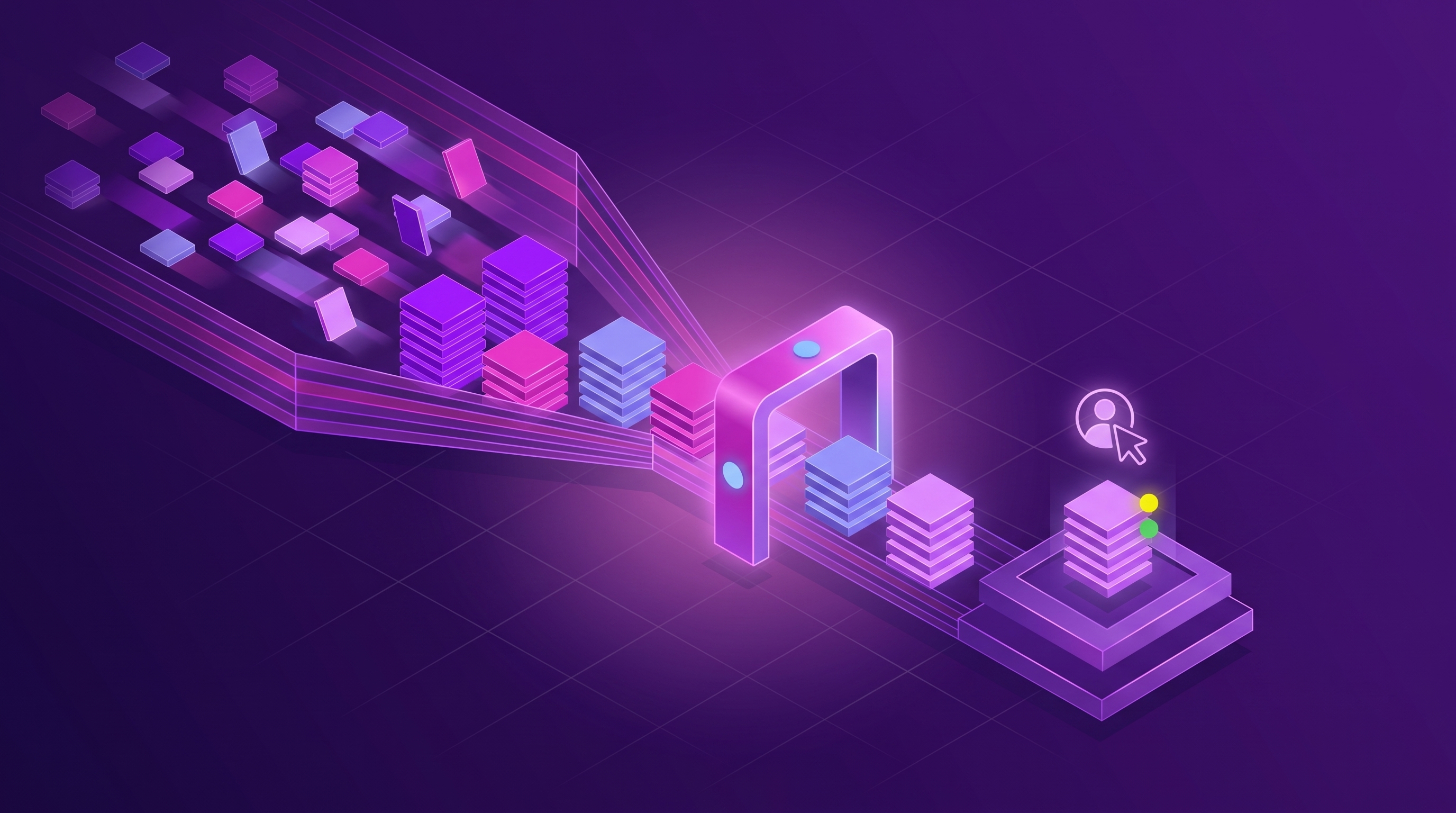
Most enterprise CX teams already own 3 or 4 components of a modern feedback stack: a data warehouse, a survey platform, and a BI tool. What’s often missing is a dedicated customer intelligence layer that turns unstructured feedback into structured, decision-ready data and pushes it back into those existing tools.
That’s the role Thematic fills. It sits between your feedback sources (surveys, support tickets, reviews, chat logs) and your analytics infrastructure. Thematic’s AI analyzes the unstructured data, discovers themes automatically, and then pushes enriched data, including themes, sentiment, and impact scores, into your warehouse or BI layer.
The result: your analysts don’t need to learn a new tool. Customer intelligence shows up in Tableau, Power BI, or Looker alongside every other data source they already work with.
How this works in practice
Smith&Smith®, New Zealand’s leading vehicle glass repair company (part of global group Belron®), built a scalable feedback solution combining Qualtrics for collection, Thematic for analysis, and Power BI for cross-company dashboards.
Their insights team uses Thematic to automatically discover themes and quantify their impact on NPS, then pushes everything into Power BI so stakeholders across the business can access insights without needing specialized analytics training.
The result: Within weeks, Power BI became the core platform for the insights team, with dashboards accessible to stakeholders across the business.
A large grocery retailer in APAC takes the integration further. They push Thematic data directly into Google Cloud Platform, combining unstructured feedback themes with structured data like account-level information and purchase history. This creates an always-on daily analytics pipeline that feeds customer intelligence across e-commerce, stores, and brands.
These are two very different approaches to integration, and both work because Thematic is designed to fit how your organization uses data, not the other way around. As one stakeholder at the retailer put it: “It helps us close the gap between customer data and efficient strategic action.”
Choosing the right platform for your stack
When evaluating integration fit, here are the questions worth asking:
- Does the platform push structured, theme-level data into your warehouse, or just surface-level exports?
- Can your analysts combine customer feedback data with operational and financial data in your existing BI tools?
- Does integration require professional services, or can your team configure it directly?
- Will insights reach stakeholders in the tools they already check daily?
Integration isn’t just a feature checkbox. It determines whether customer intelligence stays locked inside one team’s dashboard or becomes part of how the whole organization makes decisions.
Ready to see how Thematic integrates with your existing data stack? Request a demo to see it in action.