The customer intelligence platform landscape can feel confusing because different tools solve different parts of the problem. Some are built for collecting feedback. Some are built for analyzing it. Some try to do both.
Enterprise CX teams typically fall into one of three configurations: an all-in-one CX suite like Medallia or Qualtrics, a purpose-built customer intelligence platform like Thematic, or a combination of both. The combined approach, using a suite for data collection and a specialized platform for unstructured feedback analysis, is gaining traction.
According to McKinsey, only 15% of CX leaders are satisfied with how their company measures CX. That gap helps explain why more teams are looking beyond their suite for analysis.
All-in-one CX suites: Medallia and Qualtrics
All-in-one suites offer breadth, such as survey management, text analytics, dashboards, and workflow tools, under one roof. For teams that want a single vendor relationship and a consolidated platform, suites are a common starting point. But that breadth comes with a tradeoff: deployment typically requires professional services involvement, which adds time, cost, and ongoing dependency.
Qualtrics offers two text analytics products. XM Discover uses supervised machine learning and requires labeled training data to classify feedback. TextIQ groups comments by word co-occurrence rather than meaning.
Medallia uses a hybrid approach: rules-based topic detection, supervised ML models, pre-built AI model libraries, and ML-based theme discovery. Medallia was named a Leader in the 2024 Forrester Wave for Text Mining & Analytics.
The practical consideration with both platforms is deployment. Setting up and customizing either suite typically requires professional services involvement. That often means 5 or more weeks for Qualtrics and 8 or more for Medallia when you include both PS and internal work.
Customization, new use cases, and ongoing taxonomy changes tend to flow back through the same PS channel. Forrester found that 47% of VoC program leaders rate their program maturity as "low or very low." PS dependency is a real factor in that: when budgets tighten or account managers turn over, institutional knowledge can go with them.
Purpose-built customer intelligence: Thematic
Thematic is a customer intelligence platform purpose-built for enterprise feedback analytics. It delivers customer intelligence and activation: a system that unifies unstructured feedback into a trusted source of truth, then delivers team-specific insights, predictive scores, and recommended actions.
Thematic is the customer intelligence layer of a best-of-breed CX stack, working alongside data warehouses, survey platforms, and BI tools, not competing with them.
The core difference is the starting point. Rather than requiring a predefined taxonomy or labeled training data, Thematic uses unsupervised AI to discover themes directly from customer language. The AI does the heavy lifting. Your team reviews, refines, and validates.
The result is a two-level theme taxonomy built from what your customers actually say, not what someone anticipated they might say.
Thematic’s Lenses let each team view feedback through the perspective that fits their work (Support, Product, Marketing, Operations) while everyone draws from the same underlying customer truth. This solves a persistent problem in enterprise CX: different teams reaching different conclusions from the same data.
A few practical differentiators worth knowing about:
How long does setup take?
Most customers are up and running with a full theme model in around 3 days. Qualtrics typically takes 5 or more weeks; Medallia takes 8 or more. There's no download required and no long implementation timeline.
Does it require professional services?
Customization, new use cases, and ongoing adjustments don't require PS involvement. Teams can explore and iterate independently.
Can insights be verified?
Every theme links back to the comments that support it. Insights can be verified at the comment level, which matters when you need to defend findings to executives.
How does it integrate with your existing stack?
Thematic connects to over 100 data sources, including surveys, support tickets, app reviews, and call transcripts. You can bring in feedback from wherever it lives without rebuilding your collection infrastructure.
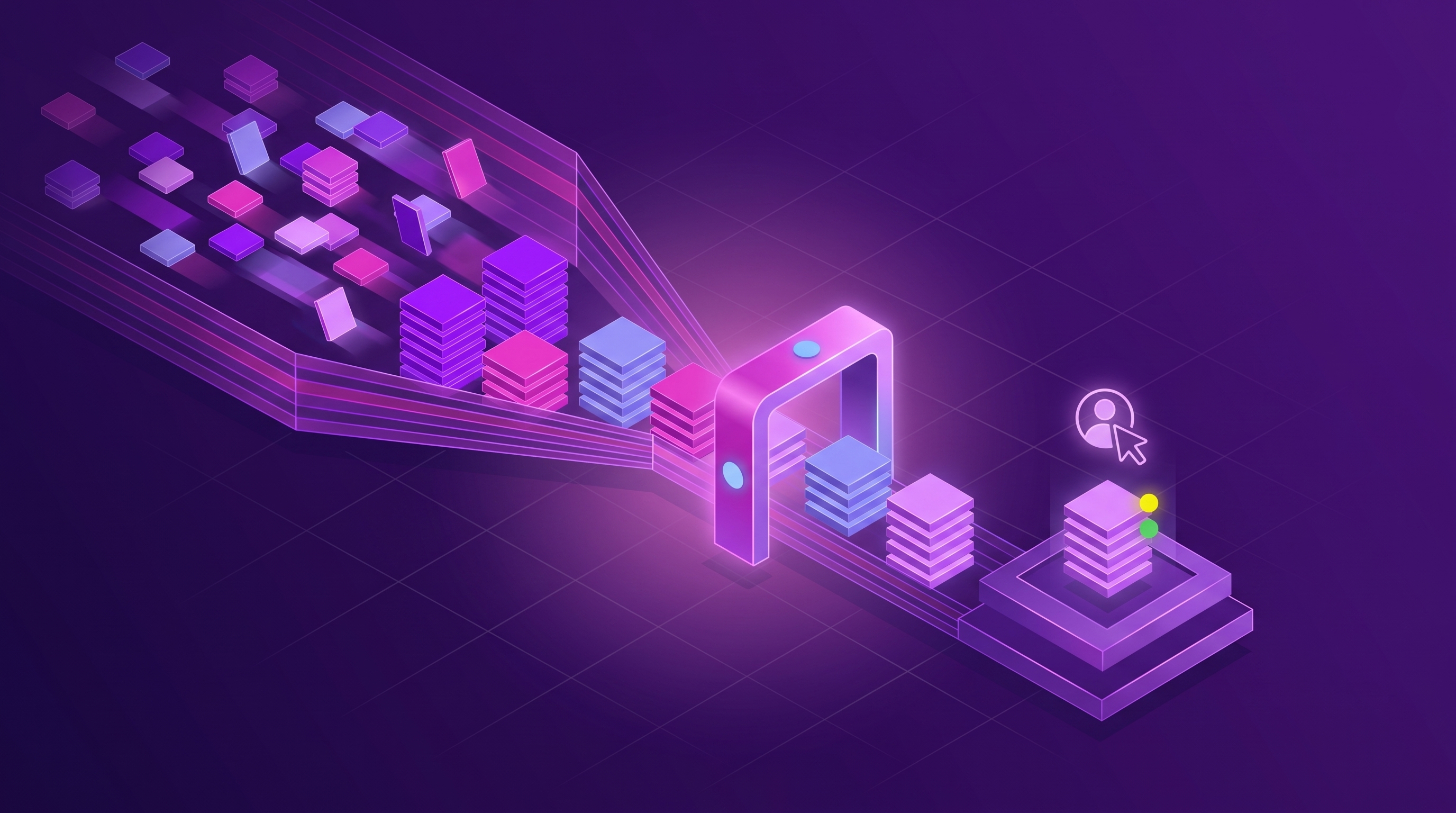
The stack typically looks like this: data warehouse → survey platform → Thematic as the customer intelligence layer → BI dashboards.
| Dimension |
All-in-one CX suites (Medallia, Qualtrics) |
Purpose-built customer intelligence (Thematic) |
| Discovery method |
Top-down: supervised ML or rules-based classification requiring predefined categories or labeled training data |
Bottom-up: unsupervised AI discovers themes directly from customer language |
| Starting point |
You define the taxonomy first; the platform classifies against it |
AI surfaces themes from what customers actually say; you refine and validate |
| Setup time |
Qualtrics: 5+ weeks
Medallia: 8+ weeks |
~3 days to a full theme model |
| PS dependency |
High: initial setup, customization, and taxonomy changes typically require vendor PS engagement |
Self-serve: analysts can configure, adjust, and expand without PS involvement |
| Auditability |
Varies; insights may not trace back to specific source comments |
Every theme links to the comments that support it; findings verifiable at comment level |
| Best for |
Teams that want survey collection, analytics, and workflows in one vendor contract |
Teams that need deep analysis of unstructured feedback and want to layer onto an existing suite |
How to evaluate a platform for enterprise
Whatever platform you're considering, these are the questions worth asking any vendor.
How does theme discovery work?
Does the platform start bottom-up from customer language, or does it require predefined categories? Bottom-up discovery surfaces issues you didn't know to look for. Top-down taxonomy requires someone to anticipate every way a customer might describe a problem.
How long does setup take, and who owns it?
Ask for a realistic timeline including internal resource requirements. Ask whether ongoing customization requires the vendor's PS team or whether your analysts can self-serve.
What happens when you want to add a new data source or use case?
For PS-dependent platforms, this often means an additional engagement cycle. For self-serve platforms, it's usually a configuration change.
Can insights be verified?
Black-box AI summaries are hard to defend when executives push back. Platforms that link insights to source comments let your team validate findings and build credibility with stakeholders.
How does it integrate with your existing stack?
You probably don't need to rip and replace. The better question is whether a platform works as a complementary layer or forces a full migration.
What this looks like in practice
Smith&Smith is New Zealand's leading vehicle glass repairer and part of the Belron group, operating in 35+ countries with 30,000+ employees. They built a best-of-breed stack combining Qualtrics for feedback collection, Thematic for automated theme discovery and NPS impact analysis, and Power BI for cross-company dashboarding.
The result: Thematic saves the team hundreds of analysis hours per year and surfaces insights they would have missed relying on Qualtrics' built-in text analysis alone.
LendingTree had a different starting point. The US fintech company was struggling to extract useful insights from its all-in-one CX platform despite handling over 20,000 comments every 90 days.
Lee King, Head of Insights, chose Thematic because it delivered the best quality of insights from text comments at scale and was easier to use than any of the other platforms assessed. In Lee's words: "Thematic works straight out of the box. I can show the business promoters and detractors, quantify the drivers..."
Today, product teams and lending partners at LendingTree feel empowered to make customer-led decisions. Thematic saves the team hundreds of hours transforming survey data into specific insights.
For broader context on financial impact, a Forrester Total Economic Impact study found that Thematic customers see a 543% ROI over three years, with $2.9M in total benefits and payback in under 6 months.
Building your shortlist
The platforms enterprise CX teams use fall into a clear pattern: suites for collection and broad coverage, purpose-built customer intelligence platforms for deep analysis of unstructured feedback, and increasingly, both in combination.
If you're building your shortlist, the central question isn't which platform is best in the abstract. It's which configuration fits how your organization works.
If you already have a survey platform and need to get more from the unstructured feedback it's collecting, adding a purpose-built customer intelligence layer is often faster and more practical than replacing your suite.
Thematic works as the customer intelligence layer in your existing stack, without requiring you to rip and replace what you already have.
If you're evaluating options, book a demo to see how Thematic works as the customer intelligence layer in your existing stack.